Activities of Daily Living Room
Activities of Daily Living (ADL) Room: Building Confidence for Life at Home
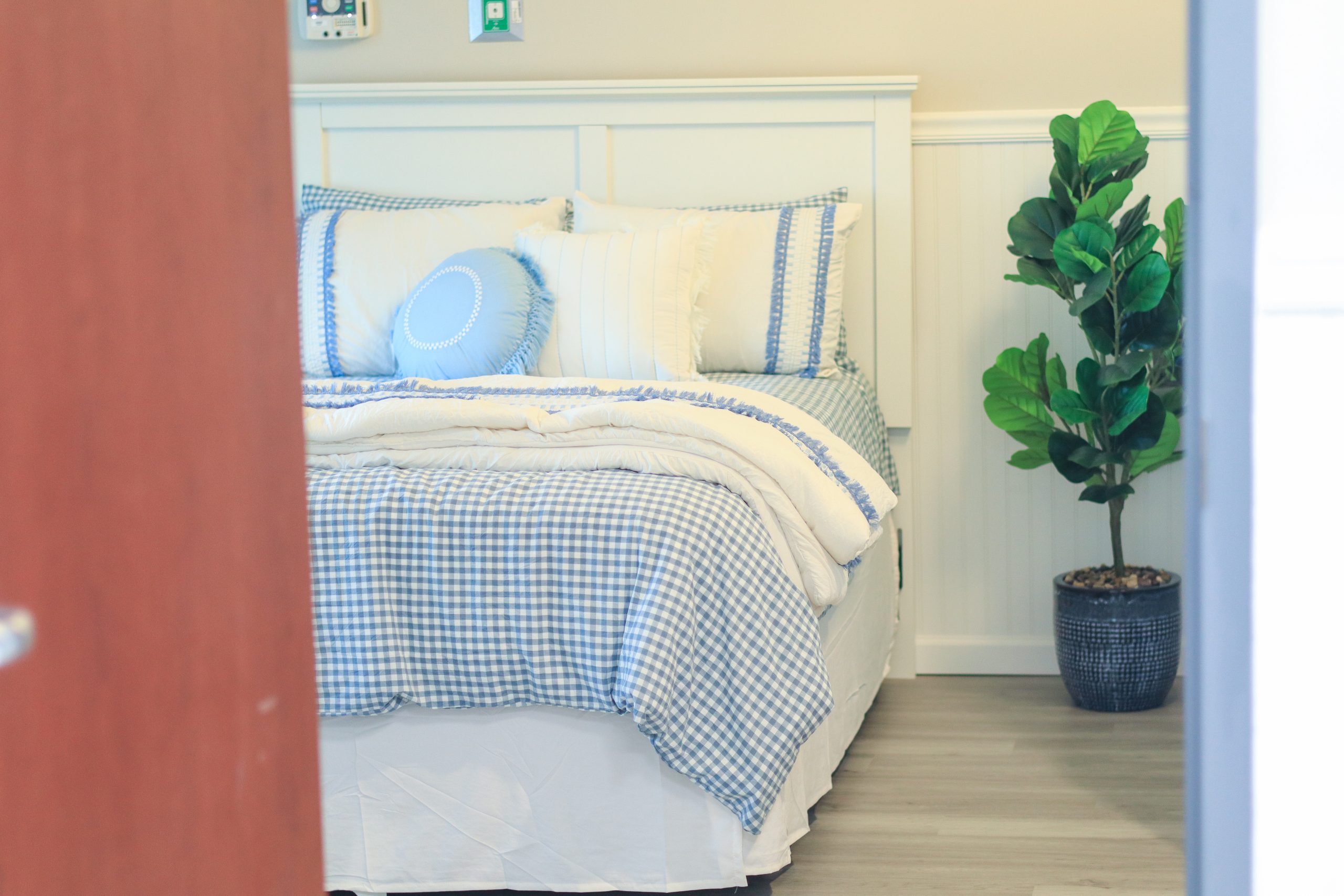
At Clinch Memorial Hospital, rehabilitation is about more than recovering physically—it’s about helping patients regain the skills and confidence needed to return home safely and independently. Our Activities of Daily Living (ADL) Room is a specially designed therapeutic space that simulates a home environment, allowing patients to practice real-world tasks in a safe and supportive setting.
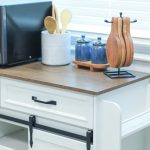
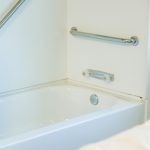
The ADL Room features a fully furnished living space where patients work alongside our Physical and Occupational Therapy teams to improve strength, balance, mobility, coordination, and functional independence. Patients can practice everyday activities such as transferring in and out of bed, navigating a living room, preparing simple meals, completing household tasks, managing personal care routines, and safely using adaptive equipment. These activities are essential for maintaining independence and quality of life after illness, injury, or surgery.
Preparing for a Successful Transition Home
Our therapists use the ADL Room to identify potential challenges patients may face after discharge and develop personalized strategies to overcome them. By practicing daily tasks in a realistic environment, patients gain valuable experience and confidence before returning home.
Whether recovering from a stroke, orthopedic surgery, prolonged hospitalization, or another medical condition, the ADL Room helps bridge the gap between hospital care and everyday living—empowering patients to safely resume the activities that matter most.
Therapy with Purpose
Every exercise and activity completed in our ADL Room is designed with a goal in mind: helping patients regain independence. From getting dressed and preparing meals to safely moving throughout the home, our rehabilitation team focuses on the skills needed for successful daily living and long-term recovery. Activities of daily living such as bathing, dressing, eating, transferring, and mobility are key measures of functional independence and quality of life.